Installing an air conditioner is not a one-time purchase, it is a decision that shapes utility bills, indoor comfort, and equipment longevity for a decade or more. At B & W Heating & Cooling, the goal is simple: deliver an installation that minimizes wasted energy while maximizing quiet, reliable performance for households in Wood River. That requires more than picking a high-efficiency label. It requires judgment, careful measurement, and an installation crew that treats ductwork, control strategy, and airflow with the same seriousness as the outdoor condenser unit.
Why energy-efficient installation matters here in Wood River is practical. Summers swing hot and humid, and many older homes still carry leaky ducts, undersized equipment, or mismatched systems that fight themselves. A high-efficiency condenser installed on top of a flawed system will still waste money. We focus on total-system efficiency, so homeowners get real savings and fewer callbacks.
Sizing: minimize cycling, maximize part-load efficiency A common mistake is oversizing the air conditioner. A unit that’s too large cools quickly, then cycles off, leaving humidity high and compressor wear rapid. Smaller, longer run times are actually more efficient most of the time, because they allow heat exchangers to operate closer to their rated conditions and dehumidify properly.
When our technicians size a new system, we perform load calculations rather than rely on rules of thumb. We measure square footage, window areas, insulation levels, orientation to sun, and occupant patterns. For older houses in Wood River with single-pane windows or minimal attic insulation, the load can be higher than expected. Conversely, a tight, recently retrofitted home can need less capacity than its square footage suggests. Proper Manual J load calculations reduce oversizing risk and deliver balanced comfort.
Ductwork: the hidden efficiency limiter Duct leakage is a silent killer of efficiency. Even a 15 to 20 percent leakage rate can erase the gains from an efficient new unit. I’ve sat in crawlspaces and attics and cringed at return plenums duct-taped with old cloth tape or supply boots that pull air through insulation. Sealing, insulating, and sometimes reconfiguring ducts produces some of the largest real-world efficiency gains for a relatively small investment.
We test ducts where accessible and measure static pressure at the air handler. If we find excessive leakage or poor static, we discuss options with the homeowner: targeted sealing of joints, adding returns for better pressure balance, or re-sizing runs that starve key rooms. In many homes, sealing the trunk and insulating exposed runs can cut cooling loss noticeably, dropping run times and reducing compressor strain.
Equipment selection: more than SEER numbers Seasonal energy efficiency ratio, SEER, is an important indicator, and higher SEER units can yield lower monthly bills under heavy use. But SEER tells only part of the story. Two nominally equal-SEER units can behave differently because of variable-speed technology, coil design, and compressor staging. A unit with a two-stage or variable-speed compressor holds temperature and humidity better while operating at lower power most of the day.
We discuss trade-offs with customers: higher-SEER, variable-speed compressors cost more up front, but in many Wood River homes they pay back through lower bills and better humidity control. For households that run AC nearly continuously, the premium often makes sense. For seasonal homeowners who use AC sparingly, a mid-tier condenser paired with a well-sealed system and programmable thermostat may be the smarter choice.
Thermostats and control strategy A quality thermostat reduces waste. Poor setback strategies, oversimplified programming, or cheap line-voltage units can undercut a high-efficiency system. We install smart or communicating thermostats when they fit the home, but not as a veneer. True value comes from sensible control logic: reasonable setback temperatures, avoiding aggressive recovers that force the system to run at high capacity, and coordinating fan speeds to balance comfort and filtration.
We also advise about fan operation. Running the fan continuously improves circulation but can waste energy if the blower motor is inefficient. Variable-speed fans, when paired with variable-speed compressors, allow the system to maintain steady airflow at low energy cost. Where homeowners want continuous circulation for filtration, we recommend programmable fan cycles instead of constant run.
Refrigerant charge, airflow, and coil matching An efficient system must be installed to specification. Incorrect refrigerant charge, undersized or oversized coil, and improper airflow across the evaporator coil will lower efficiency, encourage icing, and shorten equipment life. I have pulled units with undercharged refrigerant that measured like they were older, inefficient systems; the issue was simply improper charging at installation.
Our technicians check superheat and subcooling, verify target airflow in CFM per ton, and adjust metering devices where necessary. For retrofit installs where the indoor coil remains, we confirm compatibility and correct refrigerant controls. That attention to detail recovers performance and prevents field problems that often show up when a house is most stressed, like a 95-degree August afternoon.
Anecdote: turning a wasting system into a reliable one A Wood River homeowner called us because his new, highly rated condenser yielded little improvement in bills. The coil and condenser were top-tier, but the ductwork had multiple unsealed joints and the return grille in the living room was choked by furniture. After sealing the ducts, moving the return grille and adjusting the thermostat strategy, the system ran longer but at lower amperage and humidity dropped significantly. The homeowner’s summer bills fell noticeably, and his old complaint about the house feeling clammy disappeared. That was a classic example where AC installation in Wood River installation details mattered more than the nameplate SEER.
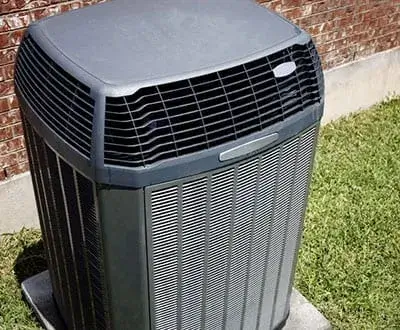
Installation logistics that preserve efficiency Placement of the outdoor unit matters. Install it on a level pad with adequate clearance for airflow and maintenance. Avoid placing it too close to walls, shrubs, or heat sources that can restrict airflow. We pad and elevate condensers to maintain clearance, and we recommend leaving a service pathway so coils can be cleaned and fans can be accessed easily.
Electrical feeds should be properly sized with a dedicated disconnect. Undersized wiring or improper breakers create losses and trip hazards. We coordinate with local electricians when upgrades to service are necessary. Protecting the line side and ensuring the proper fuse and breaker protection preserves safety and avoids voltage drop that reduces compressor efficiency.
What to expect during an energy-focused install A homeowner should expect the installation day to include a brief walkthrough, protective measures for carpets and finishes, removal of old equipment, and attention to refrigerant recovery and refrigerant management. After the outdoor and indoor equipment are mounted, we perform a full system checkout: pressure testing, refrigerant charge verification, airflow measurement, and thermostat programming. We also show the homeowner simple AC Repair in Wood River IL B & W Heating & Cooling maintenance steps and set expectations for seasonal checks.
Quick checklist for homeowners considering installation
- ask for a Manual J load calculation and an explanation of findings verify that duct leakage testing or visual sealing is included confirm that the installer will measure airflow and refrigerant charge request a clear warranty and what maintenance it requires
Maintenance that sustains efficiency An efficient installation is only as good as the maintenance that follows. Regular AC maintenance keeps coils clean, filters fresh, and electrical connections tight. In my experience, annual tune-ups reduce emergency service calls and preserve efficiency. For systems with heavy use, twice-yearly checks can be reasonable, especially for older equipment.
Three simple maintenance habits that make a measurable difference
- change or clean filters monthly or per manufacturer guidance, using the correct MERV rating keep outdoor coils free of debris, trimming back 2 to 3 feet of vegetation and rinsing coils gently schedule an annual professional tune-up that includes refrigerant, airflow, and electrical checks
Financing and return on investment Higher up-front investment in efficient equipment and proper installation can look intimidating. We work with homeowners to run simple payback estimates. For example, a variable-speed system that costs 20 to 30 percent more than a conventional single-stage unit might reduce annual cooling energy by 10 to 20 percent in a typical usage scenario. Exact savings depend on behavior, local electricity rates, and the starting efficiency of the old system. Financing options and rebates sometimes reduce the immediate outlay and shorten payback timelines. We walk customers through those numbers so the decision matches their budget and goals.
When retrofit is the right call versus replacement Not every system needs a full replacement. Sometimes a focused repair, coil swap, or duct rehabilitation will return enough efficiency to defer replacement for several years. We evaluate options objectively. If the compressor has a history of failures, or the condenser requires a refrigerant type that is being phased out in the near term, replacement is often the wiser choice. If the house is likely to be renovated or sold soon, a modest repair plus sealing may be the most cost-effective path.
Common edge cases and trade-offs Tight modern homes versus leaky older homes present opposite problems. Tight houses can be overcooled and overly dependent on mechanical ventilation for fresh air, so balancing HVAC with ventilation is critical. Leaky homes will see wasted cooled air and higher run times, so duct sealing and insulation are paramount. High-efficiency units often use variable-speed blowers that increase filtration effectiveness, but if filtration is increased without accounting for static pressure, airflow can drop and nullify the benefit. These are trade-offs we discuss openly during estimates.
Service and repairs in Wood River When equipment does need repair, prompt, skilled service protects efficiency. Our team responds to calls for AC Repair in Wood River IL with a focus on diagnosing root causes rather than quick band-aids. A failing capacitor or a stuck expansion valve can masquerade as low capacity. We keep common parts and diagnostic tools on service vans so we can repair quickly when safe and practical. For customers who prefer preventive care, our AC maintenance in Wood River programs include scheduled visits, priority scheduling, and discounts on parts.
Why homeowners choose B & W Heating & Cooling People often tell us they choose B & W Heating & Cooling because we explain decisions in plain language and because our crews treat their homes respectfully. More than polished sales talk, what earns trust is showing load calculations, sharing before and after airflow and pressure numbers, and providing a maintenance plan that fits the household. We support our work with clear warranties and stand behind installations with follow-up service.
Final practical advice for the decision day On installation day, have a clear point of contact, secure pets, and plan access to clear attic or crawlspace routes. Ask the crew to walk you through the control settings and emergency shutoffs before they leave. Keep documentation of the Manual J, installed equipment model numbers, and maintenance schedule in a single folder. Those records simplify future repairs, warranty claims, and resale conversations.
Choosing energy-efficient AC installation is an investment in comfort, monthly savings, and fewer emergency repairs. In Wood River, where weather and older housing stock create both opportunities and challenges, the combination of correct sizing, duct attention, matched equipment, and honest communication produces the best outcomes. B & W Heating & Cooling approaches each installation with that perspective: not just a new condenser, but a whole-house plan to keep your cooling efficient, reliable, and as affordable as possible.
B & W Heating & Cooling
3925 Blackburn Rd, Edwardsville, IL 62025
+1 (618) 254-0645
[email protected]
Website: https://www.bwheatcool.com/